
After our delay leaving Houston due to a missing pilot, we arrived late in Managua, Nicaragua. A bit of a queue at immigration, an otherwise smooth progression through customs had us out the door by 10:15 pm, and we were very happy to see a man holding a sign with our name on it. As he headed off to get the car, we wondered whether we’d recognise him again when he returned, blind faith for the interesting drive to Granada along dark highways, with people and cars appearing randomly on the roadside.
Cue a Ute-load of bandidos and we’d be living a scene from a Hollywood movie!
Three time zones, two flights, an Uber, and one hour-long van ride later, we arrived at Hotel Plaza Marbella around midnight, greeted by señor Willy, hot showers, and comfy beds.
The next morning, we were served up the tourist breakfast of scrambled eggs on toast, not the traditional breakfast of Gallo Pinto, which I was looking forward to.
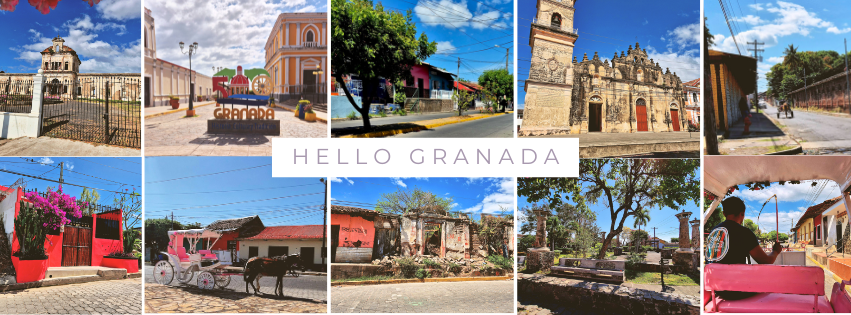
Sad but sated, we headed towards the main town square, Parque Central, the heart of the city, where locals sell vigorón (a legendary dish of yuca and crispy pork rinds served on a banana leaf) and where you’ll find colourfully decorated horse-drawn buggies and their el cochero lined up, waiting to take you on a tour of Granada’s landmark attractions.
Antonio quoted USD 25 for an hour-long tour that took us along cobblestone streets, past the grand old ruins of San Juan de Dios Hospital, La Merced Church (completed in 1539), and the oldest house in Granada, with stops at the Iglesia de la Merced and the old Fort.
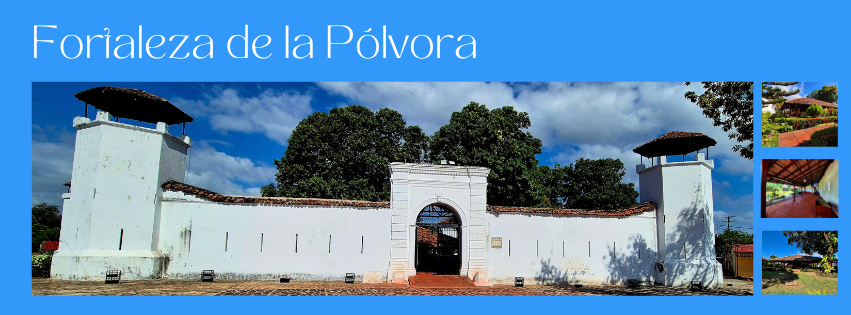
The Fortaleza de la Pólvora is an important landmark and a silent witness to Granada’s resilience. Built in 1748, this Spanish fortress wasn’t just a military barracks; it was a high-security vault of sorts.
The construction of the fort was a direct response to Granada’s brutal history with looting pirates. An inland city 100 miles from the coast gave the Spanish a false sense of security, a mistake they paid for in gold. Pirates quickly learned they didn’t need a coastal landing; they simply had to navigate the winding San Juan River, cross the vastness of Lake Nicaragua, and, under the cover of darkness, help themselves to the city’s riches.
Sightseeing done, we stopped to buy water, asked where to exchange money, and were directed to ‘the man on the corner’. These money-exchange guys (coyote) are fairly common and usually found in busy spots exchanging dollars for Córdobas. It was a nice throwback to the days of travel before electronic transactions became a thing.
I’d looked up some potential bars to visit and came across the Psych Lounge – highly rated! You could have cocktails and be entertained by a mind-reading mentalist. Best of all, it was right near our accommodation. So, we set off on the hunt, so to speak. Didn’t find the mysterious Psych Lounge, but we did discover the fabulous Asarte. Rustic, cool, and serving cold Toña beers. We ordered a couple of tapas, which turned out to be a substantial bite: three starters: bean dip, croquettes, and chorizo. Enough to feed a small group!
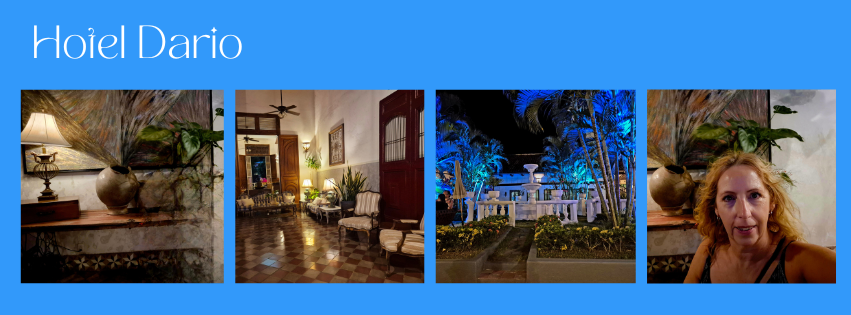
We washed down the hearty meal with another beer, then headed back to the hotel for a recovery nap. Afterwards, we swam, showered and headed out for a nightcap. Another search for Psych came up empty, so instead it was wine and croquettes at Darios, a really cool hotel with an internal courtyard – one of the many oases behind the vibrant facades.
The veranda had checkerboard tiles and overlooked a central water feature. That’s the joy of Granada: you think its colonial architecture is enough, but the real treasure is inside those courtyards, hidden from the street. Plus, there was a charming young barman who didn’t really know what he was doing, so he just served us their very best wine, rounding out the day with a couple of margaritas at Lutitos.
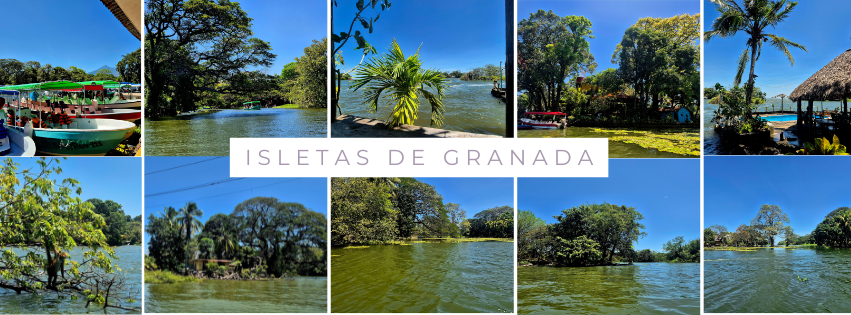
The next morning, after a breakfast of Gallo Pinto, yay, we wandered once more to find the man on the corner to cash some USD for local Cordada. Then to Hostel Mirna to meet the guide for our Isletas de Granada tour. As it turned out, we were the only two on this tour, so happy days – a private tour for two.
The guide explained that the formation of the 400+ islets and islands was primarily through intense volcanic activity, erosion and deposition. The lake is a thriving ecosystem with water buffalo, sharks?, fish, crocodiles and an abundance of birdlife. The abundant birdlife was definitely present. Thankfully, no sharks or crocodiles.
Because we were the only ones on our private tour for two, we asked if there were bars or restaurants on any of the islets that we might visit. Well, hello, that gave our guide an opening to not only say hell yes, but I have a friend.
We headed to a rocky islet to visit said friend’s restaurant and bar. The community vibe was simply stunning, family at heart, in a spot developers would destroy. With the cool breeze from the lake and a mojito in hand, we were advised to try the local freshwater bass, so we ordered one. The Pequeno, served with rice, plantain, and salsa, was delicious.
On the way back in, we headed to Monkey Island and were lucky enough to meet the pregnant Miss Spider Monkey, who came down to the water to snack on the plantain thrown her way.
A final search of the elusive psych lounge, even contacted them for directions and were sent a pinned map. Never found it! Mental!
(If you enter Nicaragua by air, you must purchase a Tourist Card for USD 10).